




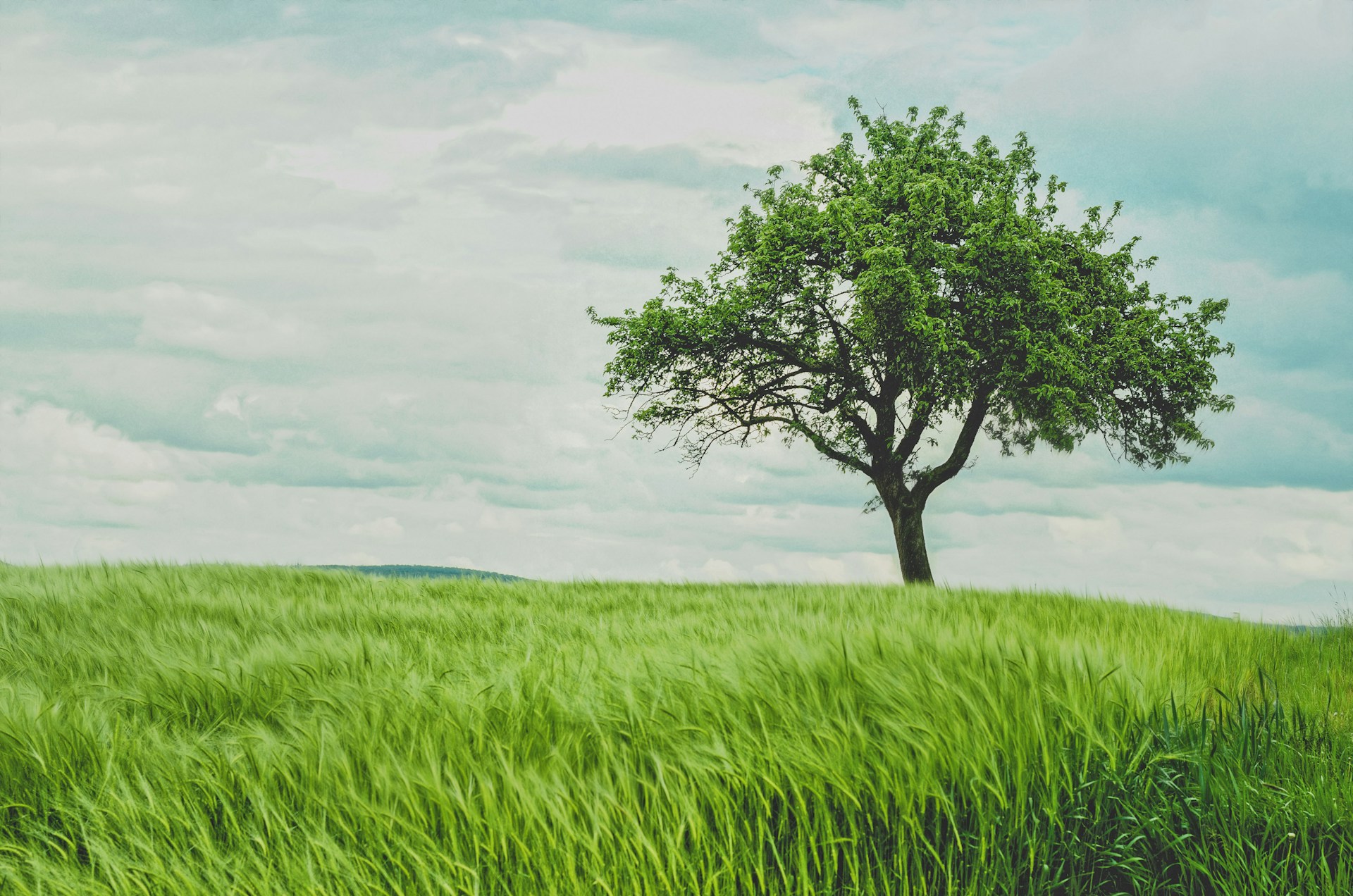
Thespesia populnea
Know your campus by learning about the Portia tree of Our PSGCAS Campus.
"Hey dear students, just like you, I’m a proud member of our PSGCAS family. I’m the Portia tree among the 100+ trees on our campus. I help keep our environment vibrant with my lush foliage and play a role in preventing soil erosion. My presence supports local wildlife and contributes to the beauty of our campus. Let's cherish and protect the green spaces we share!"


100+
no.of.trees
no.of.species
3500+
"The Portia Tree"
Hey all,
I'm Portia from PSGCAS
Scientific Name:
Thespesia populnea (L.) Sol. ex Correa
Family Name: Malvaceae
Common Name: Portia Tree
Vernacular Name: Puvarasu (Tamil)
Habit: Tree
Age: 61 years
Ecological Status: Least Concern
Flowering & Fruiting Period:
March to June
Bioactive Components:
Quercetin, Kaempferol, Ellagitannins, Gallic acid derivatives, β-sitosterol, Lupeol, Cardiac glycosides, Triterpenoid saponins, Catechins, Phenolic acids
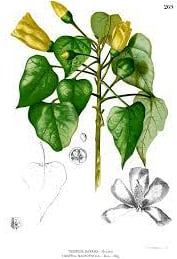
Thespesia Populnea (L.) Sol. ex Corrêa:
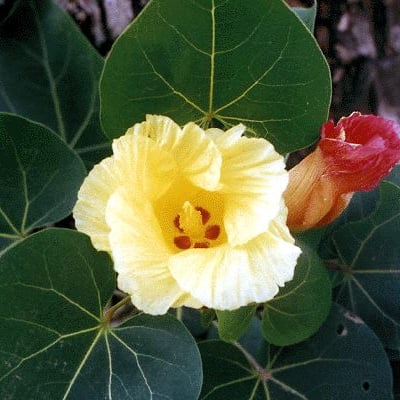
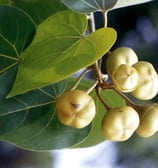
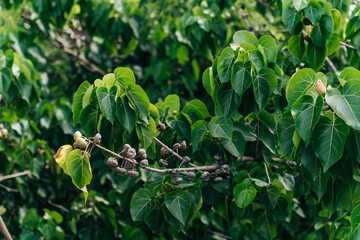
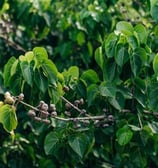
1. Tree Characteristics: Thespesia populnea grows up to 15 meters tall, with twigs covered in brown to silvery peltate scales.
2. Leaves: The leaves are long-petioled, orbicular to ovate, measuring 9-14 x 11 cm, with an acute to acuminate tip, cordate base, palmately 7-ribbed, often featuring domatia in their axils.
3. Epicalyx and Calyx: The epicalyx lobes arevate-oblong, and the calyx is minutely 5-toothed.
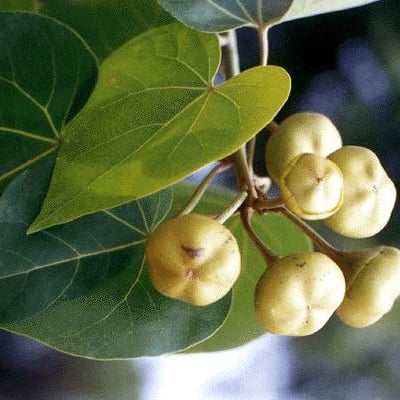
4. Fruit: The capsule is globose, often depressed, up to 2.5 cm across, and contains yellow sap.
5. Seeds: The seeds are puberulous, meaning they are covered with fine, short hairs.


"I'm the Portia tree, and I offer notable medicinal benefits. My anti-inflammatory and antioxidant properties can help in treating arthritis and oxidative stress. My extracts are also used for wound healing and have potential antimicrobial effects, making me a valuable asset in traditional medicine."





How Useful I'm?
"I'm the Portia tree, and my seeds are rich in oils with essential fatty acids that are great for heart health. My leaves and flowers provide vitamins and minerals, including vitamin C and calcium, to support overall well-being. My fruit pulp is full of dietary fiber, which helps with digestion, making me a valuable addition to a balanced diet."
"I'm the Portia tree, offering great economic value! My durable, termite-resistant wood is perfect for construction and furniture. My bark and leaves are used in traditional medicine and cosmetics, while my seeds produce oil beneficial in pharmaceuticals. I'm a versatile and profitable resource."
"I'm the Portia tree, and I play an important role in the environment. I help prevent soil erosion with my strong roots, especially in coastal areas, where I also provide protection against wind and salt spray. My dense canopy offers shade and shelter, supporting biodiversity by providing habitat for various animals and birds and my resilience makes me ideal for reforestation and conservation efforts."


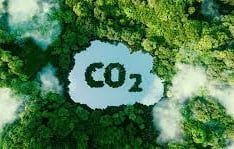
Oxygen Discharge Rate
Carbon Sequestrated Rate
Ecological Exchange Metrics
0.595kg
a tree per year
223.36kg
a tree per year
Portia Tree
Explore the beauty and significance of the Portia tree here.


Location Details
Explore the Portia tree located on campus, detailing its scientific name, local uses, and other fascinating information.
Address
PSGCAS College Campus, Near Bharathi Hostel, Opp CII&E Office

Contact Us
Reach out for inquiries about the Portia tree details.
info@weltaxon.earth


Design by
CODIN DESIGN STUDIO